Circadian Lighting: Designing for the Body's Clock
Your home's lighting should track the sun. Here's how we use Ketra and Lutron systems to create spaces that support natural sleep, energy, and wellbeing.
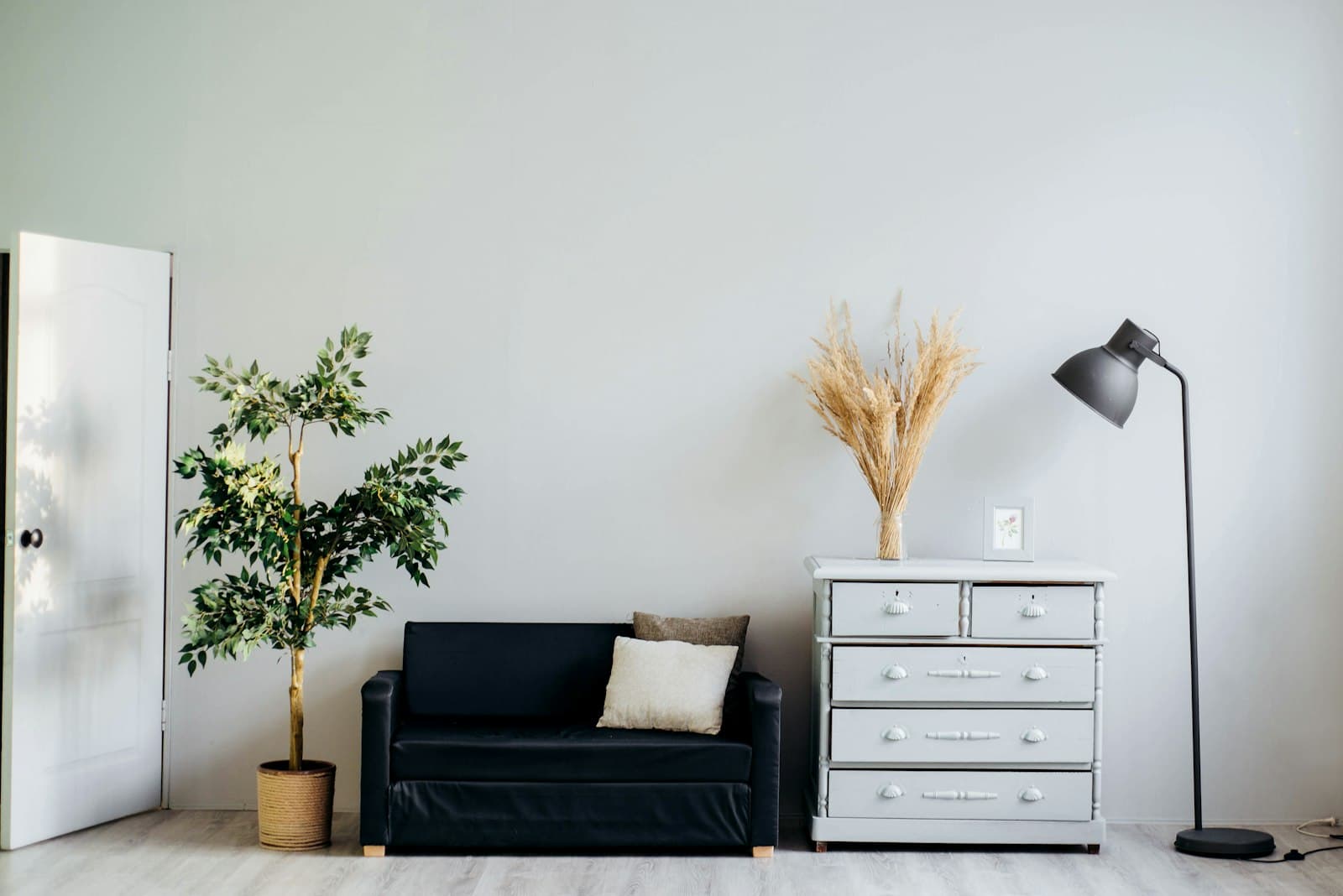
We spend 90% of our time indoors. And for most of that time, we are bathed in light that bears no relationship to the sun. Overhead LEDs at a fixed 3000K color temperature, fluorescent tubes in kitchens, blue-light-emitting screens in every room. This is not a minor inconvenience — it is a fundamental disruption of the circadian rhythm that governs our sleep, hormone production, mood, and long-term health.
Circadian lighting design is one of our five pillars for a reason. It is the most impactful wellness intervention we can make in a home, and the one that requires the least visible change. Done well, it is invisible — the light simply feels right, at every hour, without the occupant ever adjusting a switch.
What Circadian Lighting Actually Does
A circadian lighting system adjusts both the intensity and the color temperature of artificial light throughout the day, tracking the natural progression of sunlight. In the morning, fixtures output a cool, energizing light around 5000-6500K — similar to mid-morning sun — that suppresses melatonin and promotes alertness. As the day progresses, the color temperature warms gradually. By evening, the system has shifted to a deep, warm 2200-2700K — the amber glow of candlelight — that signals the body to produce melatonin and prepare for sleep.
The Technology: Ketra + Lutron
We specify the Ketra system, integrated with Lutron HomeWorks QSX, as our standard circadian platform. Ketra fixtures are unique in the industry: they produce light across a continuous spectrum from 1400K (deep amber, warmer than any candle) to 10000K (blue-sky daylight), with a Color Rendering Index above 95 at every point in the range. The fixtures are calibrated at the factory and maintain their accuracy for their entire lifespan — no drift, no inconsistency.
The Lutron HomeWorks QSX system orchestrates everything. We program astronomical timeclock schedules that track sunrise and sunset for the property's exact GPS coordinates, then layer in scene adjustments for activities — cooking, reading, entertaining, winding down. The system can be overridden manually or by voice, but in practice, most clients stop touching the controls within a week. The light simply matches what the sun is doing outside, and the body responds.
What Clients Notice
The feedback is remarkably consistent. Within the first two weeks, clients report sleeping better. Within the first month, they describe their home as feeling 'calmer' or 'warmer' without being able to identify why. Several have told us they no longer want to leave the house in the evening — not because they are tired, but because the quality of light at home is more comfortable than anywhere they might go.
One client told us: 'I used to need an hour to wind down before bed. Now the house does it for me. By nine o'clock, the light is so warm and soft that my body just knows it's time.'
The Investment
A full Ketra/Lutron circadian system for a 5,000-square-foot home typically runs $80,000 to $150,000, including fixtures, processors, wiring, and programming. This is a significant investment — roughly 2-3x the cost of a conventional high-quality LED system. We believe it is the single best investment in a luxury home's livability, and the one that delivers a return every single day the client lives there.
For projects with tighter budgets, we design hybrid systems that use Ketra fixtures in the primary living spaces (living room, bedroom, kitchen) and conventional warm-dimming LEDs in secondary spaces. The body responds most to the light it sees in the first hour of the morning and the last hour before bed — so we prioritize bedrooms and kitchens above all else.
Why We Always Come Back to Lime Plaster →
It breathes. It shifts with the light. It records the hand that applied it. In a world of perfectly flat drywall, lime plaster is an act of faith in imperfection.
Five Trees That Define the Montecito Landscape →
The coast live oak, the Moreton Bay fig, the Italian stone pine, the olive, and the sycamore — each one shapes how we design the homes that sit beneath them.
Send us your plans. We'll send back a review.
If you're early in a project — schematic, design-development, or permit set — send your drawings and we'll return a written review within five business days, free.